

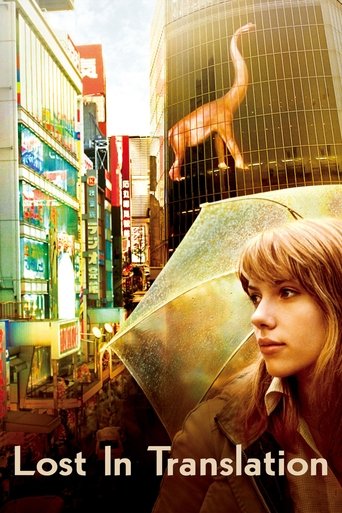
 7.42003
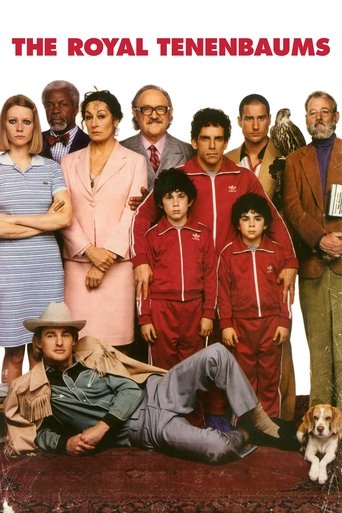 7.52001
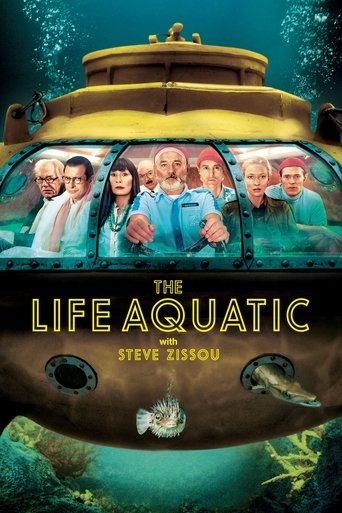 7.12004
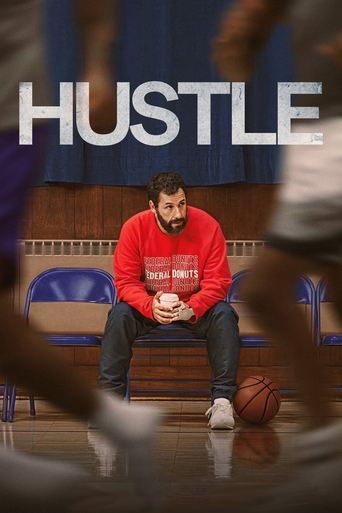 7.72022
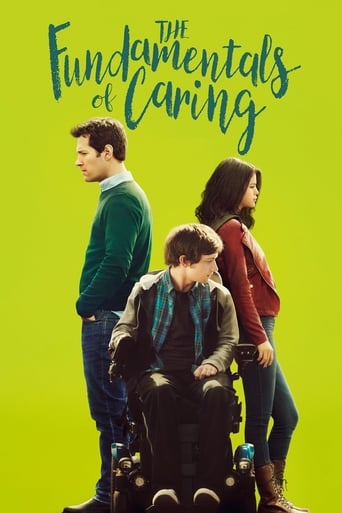 7.32016
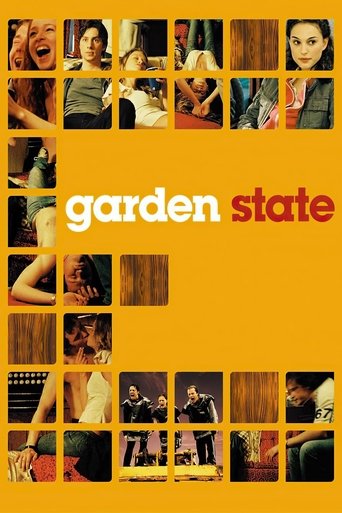 7.12004
CineNest: feel-good films since 2000, from The Station Agent, Once and Stan & Ollie to The Duke, Fatherhood and Nonnas, and where to watch them
156 feel-good films in English, 2000 to 2026, chosen for the whole household.
All items
ComedyDramaRomanceBritish and IrishFar from homeSportMusic and songGrowing upLater lifeFamilyJourneysTrue storiesAt work
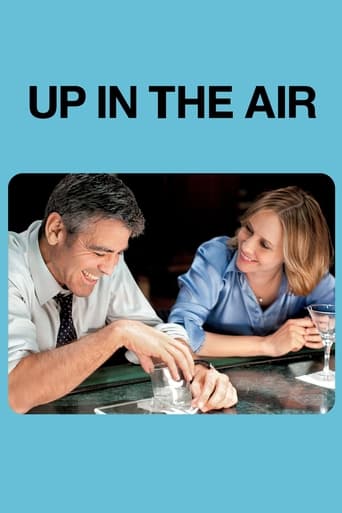 6.92009
 7.52021
 6.52021
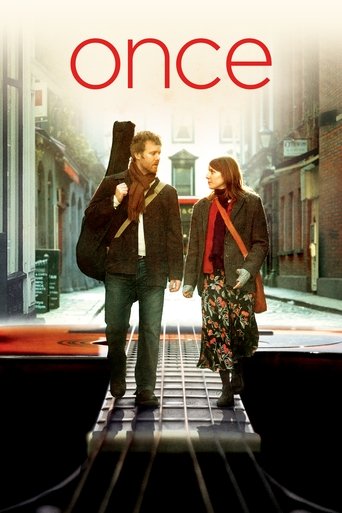 7.42007
 7.42018
 6.92002
 7.02013
 6.52019
 6.92018
 6.62015
 6.72014
 6.62009
British and Irish
View all →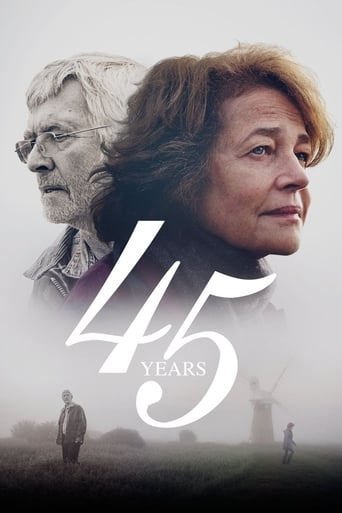 6.62015
 6.42015
 6.92009
 7.42015
 6.72009
 6.92012
Romance
View all → 6.72022
 7.22005
 6.62009
 6.82004
 6.82022
 6.52012
Sport
View all →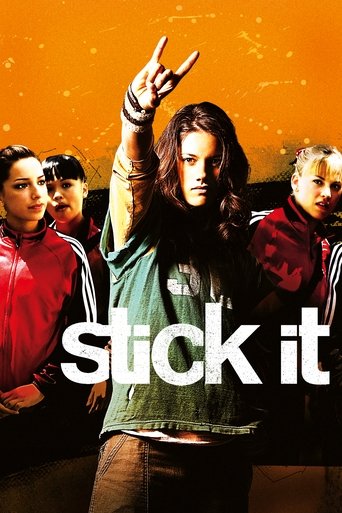 6.82006
 6.62018
 6.82009
 6.82011
 6.42007
 6.72023
Music and song
View all →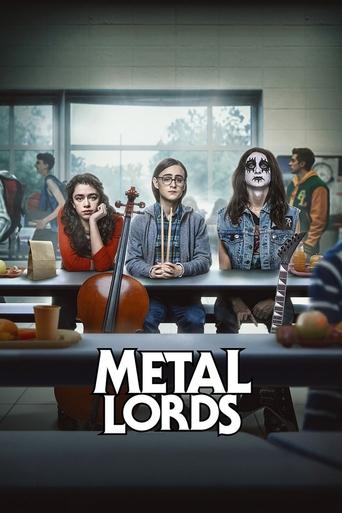 6.82022
 6.52014
 7.42022
 7.12021
 6.82008
 6.52012
The CineNest guide to feel-good films
CineNest: feel-good films since 2000, from The Station Agent, Once and Stan & Ollie to The Duke, Fatherhood and Nonnas
Some films leave the audience a little happier than they found it. They are seldom the loudest films of their year, and they rarely win the biggest prizes, but they are the ones people recommend to friends: the story of a quiet man who inherits a railway depot and finds himself with neighbours, of a Dublin busker and a pianist who make one record together, of a pensioner who walks out of the National Gallery with a Goya under his arm. CineNest is a guide to 156 such films, made in English between 2000 and 2026. Each has its own page, its story, its director and cast, and a Watch now button that leads to the official services carrying it in your country.
The catalogue has been chosen for the whole household. Every summary was read by hand, and the selection favours gentle comedy, romance, stories of family and friendship, sport and music. Crime films, horror, rowdy comedies and stand-up specials were left out. What remains includes a widowed father learning to plait his daughter's hair, a man who opens a restaurant staffed by grandmothers, a pair of veteran comedians on a last tour of British theatres, and a choir of retired opera singers preparing for their annual gala.
The films are grouped below by where they come from and what they are about: Britain and Ireland first, then American independents, romance, sport, music, the young and the old. Three are proposed for a first evening, and the final sections cover search, the lists and My List. All film titles are links, and the text is in English for viewers anywhere.
What CineNest offers
CineNest is a viewing guide. Each of its 156 film pages carries a poster, a still, the story in a paragraph, the year, the running time, the director and the principal cast. Beneath them sits one button, Watch now, which opens JustWatch for the country you select and shows the subscription, rental, purchase and free services that carry the film there. The guide itself holds pages of information, and the playing of every film happens on those official services.
By kind, 134 of the films are comedies, 113 are dramas and sixty-nine are romances, with most belonging to two of the three. Thirty-nine are British or Irish, and forty-five were made or set elsewhere around the world. Sixty-six are stories of family, fifty-two of growing up and thirty-five of later life. Forty-nine are set in a place of work, twenty-eight are journeys, twenty-four are about sport and twenty-four about music, and thirteen are drawn from real lives.
By period, forty-eight films date from 2000 to 2009, twenty-three from 2010 to 2014, thirty-six from 2015 to 2019, thirty-three from 2020 to 2022 and sixteen from 2023 onwards. The home page opens with a band headed Best films of this season, six posters each carrying a round score badge. Beneath it, All items sets out the lists and a grid of the twelve most watched films, and rows follow for British and Irish films, romance, sport, and music and song.
A first evening
Three films make good first choices. The Station Agent, made by Tom McCarthy in 2003, is about Finbar McBride, a reserved man with a passion for trains who inherits a disused railway depot in rural New Jersey and moves into it, wanting only to be left alone. Solitude proves hard to come by. A talkative young man runs a coffee truck across the road; a distracted artist nearly runs Fin over twice in one morning; a schoolgirl wants him to speak to her class about trains. Peter Dinklage, Bobby Cannavale and Patricia Clarkson play the three unlikely friends, and the film watches them come together with patience and dry humour. It scores 7.3.
Once, made by John Carney in 2007 for very little money, follows a week in Dublin. A man who mends vacuum cleaners in his father's shop sings his own songs on Grafton Street in the evenings. A young Czech woman who sells flowers stops to listen, and mentions that she plays the piano. In a music shop at lunchtime, where the owner lets her use an instrument, they try one of his songs together, and something begins. Glen Hansard and Markéta Irglová, both musicians, wrote and performed the songs themselves, and one of them won the Academy Award. It is a love story told almost entirely in music.
The Duke, made by Roger Michell in 2020, is a true story. In 1961 Kempton Bunton, a sixty-year-old taxi driver from Newcastle with a strong sense of fairness and a habit of writing plays that stay in the drawer, was accused of removing Goya's portrait of the Duke of Wellington from the National Gallery in London. His aim, he said, was to hold it until the government agreed to give free television licences to pensioners. Jim Broadbent plays Kempton and Helen Mirren his long-suffering wife, and the courtroom scenes are a delight. It is the kind of comedy only Britain makes.
British and Irish films
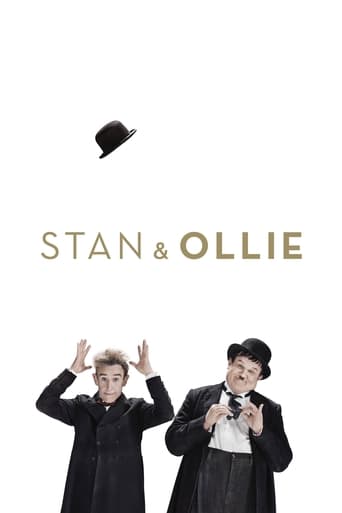
Thirty-nine films are British or Irish, and the British and Irish guide offers a way in. The true story of an ordinary person who takes on the powerful is a national favourite. In Bank of Dave, a minibus dealer from Burnley who has lent money to half the town decides to open a bank of his own and give the profits to local causes, and is told by London that such things are simply impossible. In The Phantom of the Open, Maurice Flitcroft, a crane operator who has yet to play a full round of golf, enters the Open Championship of 1976 and posts the worst score in its history; Mark Rylance plays him as a holy innocent. Stan & Ollie finds Laurel and Hardy in 1953, long past their Hollywood years, touring half-empty variety theatres in Britain and discovering how much they mean to each other. Steve Coogan and John C. Reilly are uncanny in the parts.
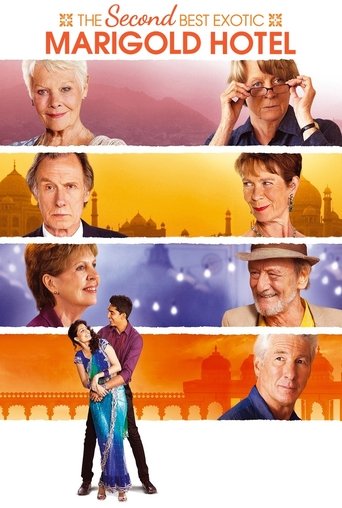
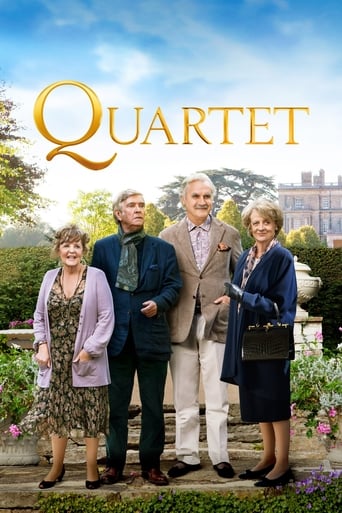
British cinema is also good to its older actors. Quartet, directed by Dustin Hoffman, is set in a home for retired musicians, where the arrival of a celebrated soprano, played by Maggie Smith, upsets three old colleagues, one of whom was briefly her husband. The Second Best Exotic Marigold Hotel returns to the residents of a hotel in Jaipur. Another Year, by Mike Leigh, spends four seasons with a contented couple and the less contented friends who gather in their kitchen, and 45 Years spends a single week with a couple preparing for an anniversary party. Ordinary Love, with Lesley Manville and Liam Neeson, follows a long-married pair through a year of hospital appointments with tenderness and humour.
Films about the young are often the liveliest. In Scrapper, from 2023, twelve-year-old Georgie has been living alone in her flat, inventing an uncle to satisfy the authorities, when a young man with bleached hair climbs over the garden fence and announces that he is her father. In Son of Rambow, two boys of the early eighties, one from a strict household and one the school troublemaker, set out to make their own action film with a borrowed camera. Somers Town is about two teenage newcomers to London, and There's Only One Jimmy Grimble about a shy Manchester schoolboy and a pair of old football boots. Old Boys moves the story of Cyrano to a boarding school.
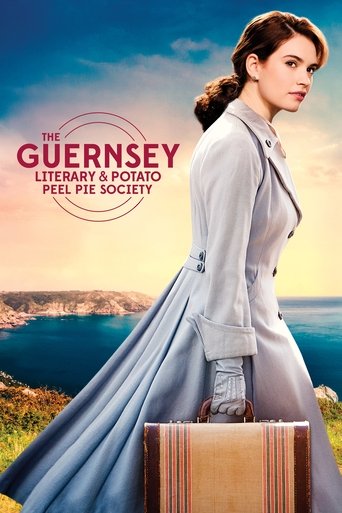
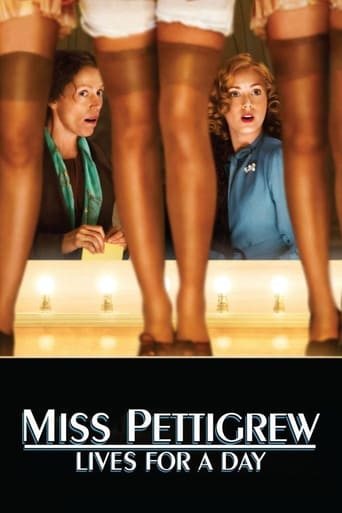
Period pieces and literary films round out the list. The Guernsey Literary & Potato Peel Pie Society sends a London writer to the island in 1946 to meet a book club formed in difficult times. Miss Pettigrew Lives for a Day gives Frances McDormand a governess who becomes, for twenty-four hours, social secretary to a flighty American singer. A Royal Night Out imagines the evening in 1945 when two princesses were allowed out among the crowds. The Personal History of David Copperfield retells Dickens at a gallop with Dev Patel and a wonderful cast. Emily imagines the youth of the author of Wuthering Heights, and The Choral, from 2025, written by Alan Bennett, follows a Yorkshire choral society in 1916.
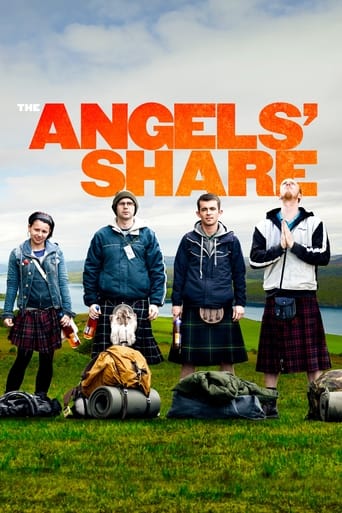
Mike Leigh's Happy-Go-Lucky deserves its own mention. Poppy, a primary school teacher in north London played by Sally Hawkins, is cheerful to a degree that some people find hard to bear, among them her driving instructor. The film asks, quite seriously, whether such good humour is foolish or wise, and comes down on the right side. Two more comedies have a football at the centre: Ken Loach's Looking for Eric, in which a postman at a low ebb receives advice from the great French forward Eric Cantona, who appears in his bedroom, and Mike Bassett: England Manager, a mock documentary about an out-of-his-depth coach. Loach's The Angels' Share takes a group of young Glaswegians on a whisky distillery tour that gives them ideas.
American independents
The American films here are mostly small ones, made away from the big studios. Wes Anderson has two: The Royal Tenenbaums, about a family of former child prodigies and the charming, unreliable father who wants to move back in, and The Life Aquatic with Steve Zissou, about an oceanographer and film-maker on a last expedition with a ship of oddballs. Both are designed like picture books and are funnier and sadder than they first appear. Sofia Coppola's Lost in Translation sets a film star, played by Bill Murray, and a young woman adrift in the same Tokyo hotel, and lets a friendship form between two people who are awake at the wrong hours.
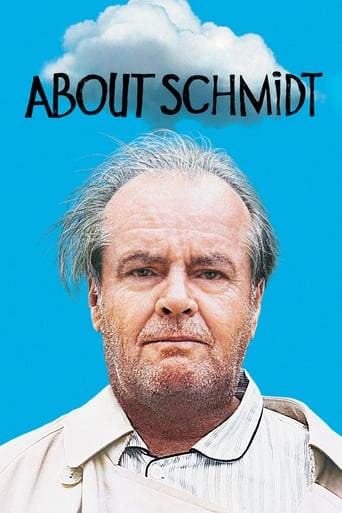
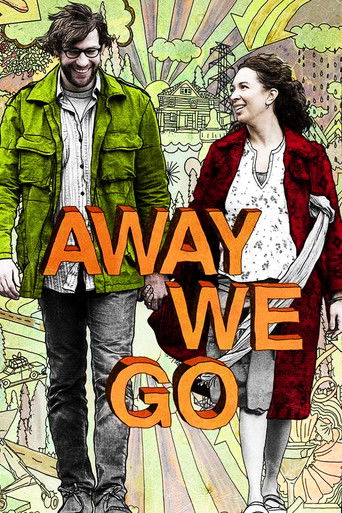
Alexander Payne's About Schmidt sends a newly retired insurance man from Omaha across the plains in a motor home to his daughter's wedding, writing letters all the way to a child he sponsors in Tanzania; Jack Nicholson has seldom been better. Up in the Air is about a man who lives in airports and likes it. Garden State brings a young actor home to New Jersey, Junebug a Chicago art dealer to her husband's family in North Carolina, where Amy Adams steals the film as a chatterbox sister-in-law, and Away We Go follows a couple expecting their first child around North America in search of somewhere to settle.
Tom McCarthy followed The Station Agent with Win Win, in which a small-town lawyer and volunteer wrestling coach, played by Paul Giamatti, takes in a teenager who turns out to be a remarkable wrestler. Sunshine Cleaning has two sisters, Amy Adams and Emily Blunt, start an unusual cleaning business. The Fundamentals of Caring puts a new carer and a sharp-tongued teenager in a van to see America's roadside attractions, and Kodachrome sends a father and son to Kansas to develop some old film before the last laboratory closes. American Splendor is the life of Harvey Pekar, a hospital file clerk in Cleveland who turned his own daily grumbles into a famous comic book.
Romance
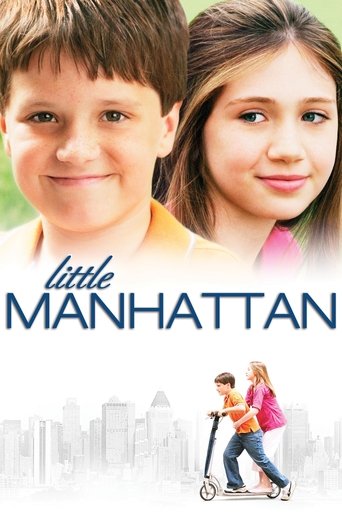
Sixty-nine films are love stories, and the romance guide arranges them. Some are classics of the gentle kind. In Return to Me, from 2000, a Chicago architect meets a waitress at her grandfather's Irish-Italian restaurant, where four old men play cards in the back and comment on everything; the secret that connects the pair is revealed with great delicacy. In Waitress, Keri Russell plays a small-town pie maker who names each new creation after her troubles. Little Manhattan is a first love told by a ten-year-old boy on a scooter, and one of the most charming films about New York.
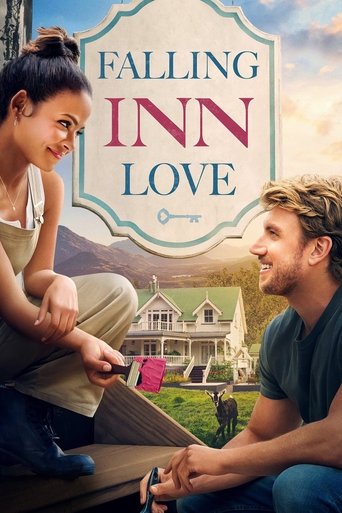
The travelling romance is a genre in itself. In Falling Inn Love, a San Francisco executive wins a tumbledown inn in rural New Zealand and decides to restore it with the help of the local builder. In A Perfect Pairing, a wine saleswoman takes a job on an Australian sheep station to win a client. Love in Taipei and Seoul Searching send young Americans to summer programmes in the countries of their parents. The Ramen Girl has an American stranded in Tokyo persuade a gruff noodle chef to train her. The Other End of the Line and Outsourced both begin in Indian call centres, and Bride & Prejudice, by Gurinder Chadha, moves Jane Austen's story to Amritsar with songs and dances.
A touch of fantasy helps several along. In Long Story Short, an Australian comedy, a man who puts everything off wakes the morning after his wedding to find that a year has passed, and then another. In Time Freak, a physics student builds a machine to correct every mistake he made with his girlfriend. Happy Accidents, from 2000, pairs a New Yorker unlucky in love with a sweet man who claims to come from the year 2470. About Fate and One Small Hitch turn on misunderstandings at family gatherings, and The Giant Mechanical Man is about a street performer in silver paint and a woman who works at the zoo.
Royal and holiday romances have their place: The Royal Treatment, about a New York hairdresser and a prince; A California Christmas and its sequel, set on a dairy farm; Your Christmas or Mine?, in which two students each board a train to surprise the other and end up with each other's families; and Resort to Love, set at a wedding in Mauritius. For something more reflective there are The Lost Husband, in which a widow and her children start again on an aunt's goat farm in Texas, Liberal Arts, Language Lessons, which is told entirely through video calls between a Spanish teacher and her pupil, and Mr. Morgan's Last Love, with Michael Caine as a retired professor in Paris.
Sport
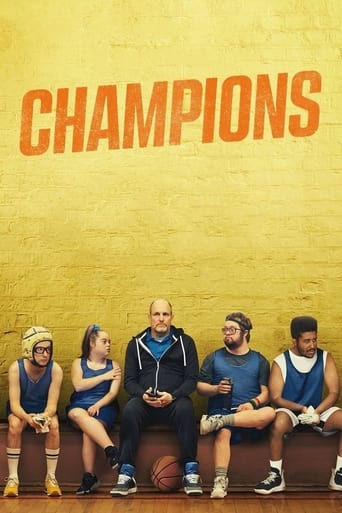
Twenty-four films are about sport, and the sport guide lists them. Basketball leads. Hustle, from 2022 and scoring 7.7, stars Adam Sandler in a serious and very likeable part as a weary scout for a professional team who finds an astonishing player on a public court in Spain and stakes his career on him. In Champions, Woody Harrelson is a hot-tempered coach ordered to train a team of players with learning disabilities, who teach him a good deal. Love & Basketball, from 2000, follows a girl and a boy from neighbouring houses through school, college and the professional game. Uncle Drew assembles a team of pensioners for a street tournament, and Just Wright is a romance between a physiotherapist and a star.
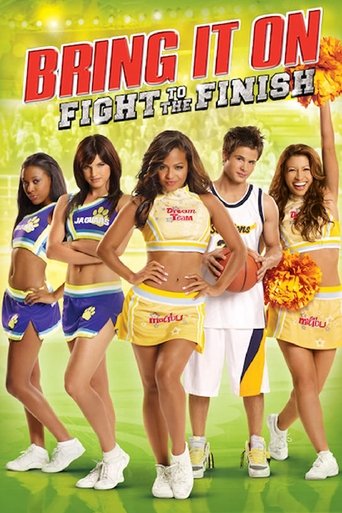
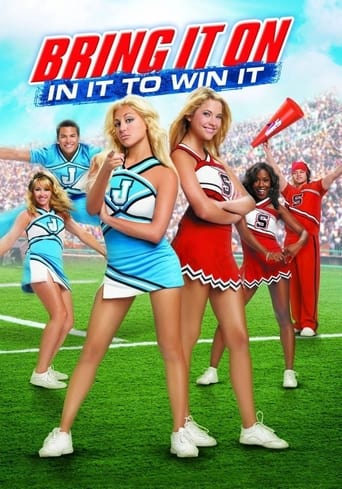
Gymnastics and cheerleading have their films in Stick It, a sharp comedy about a rebellious gymnast sent back to an elite academy, Full Out, the true story of a gymnast who returns to competition by way of a dance troupe, and two entries in the Bring It On series. Brittany Runs a Marathon is about a young New Yorker who starts by running one block. Poms has Diane Keaton start a cheerleading squad in a retirement community. Swimming for Gold and Go!, about a boy who discovers go-kart racing, are Australian films for younger viewers, The Cutting Edge: Chasing the Dream is set in figure skating, and 1 Mile To You is about a runner.
Music and song
Twenty-four films have music at their heart, and the music and song guide introduces them. Wild Rose, from 2019, stars Jessie Buckley as a young Glaswegian mother, just out of trouble, who is certain that she belongs in Nashville; her singing is the real thing, and the film is honest about what a dream costs the people around the dreamer. The Sapphires is the true story of four young Aboriginal women who formed a soul group in 1968. Sunshine on Leith strings the songs of a well-known Scottish duo into a musical about two friends coming home to Edinburgh. I Used to Be Famous pairs a forgotten boy band singer with a gifted young drummer.
For teenagers there are Metal Lords, about two school friends who need a bassist for the battle of the bands and find a cellist, and Modern Life Is Rubbish, about a couple dividing their record collection. Heartbeats takes an American hip hop dancer to a wedding in India. And Music Within, the true story of a man who lost most of his hearing and went on to help change the law for people with disabilities, belongs with the true stories as much as with the music.
Directors to follow
A handful of directors return across the catalogue, and following one of them is a good way to choose. Mike Leigh, who builds his films through months of improvisation with his actors, has Happy-Go-Lucky and Another Year; both are full of people who seem to have walked in from the street outside. Ken Loach, his contemporary, has Looking for Eric and The Angels' Share, the two sunniest films of a long and serious career. Tom McCarthy has The Station Agent and Win Win, Wes Anderson three films of very different lengths, and Taika Waititi three as well, all made in New Zealand before he became famous elsewhere. Roger Michell's The Duke was his last film, and a happy one to end on.
John Carney made Once for the cost of a small car and went on to make more films about people who sing to each other. Gurinder Chadha followed a well-known football comedy with Bride & Prejudice. Armando Iannucci, best known for political satire, turned to Dickens with evident love in The Personal History of David Copperfield. Dustin Hoffman directed just one film, Quartet, at the age of seventy-five. Among newer names, Charlotte Regan made Scrapper as her first feature, and Julio Torres wrote, directed and starred in Problemista.
Familiar faces
The same actors turn up again and again in films of this kind, which is part of their comfort. Amy Adams appears three times, as the sister-in-law of Junebug, the singer of Miss Pettigrew Lives for a Day and one of the sisters of Sunshine Cleaning. Sally Hawkins leads Happy-Go-Lucky and plays the mother in The Phantom of the Open. Jim Broadbent, Maggie Smith, Bill Nighy, Tom Courtenay and Lesley Manville between them hold up half the British list. Paul Giamatti is the lawyer of Win Win and the hero of American Splendor. Shirley MacLaine has two late leading parts, and Bill Murray three of his best.
Younger performers can be watched at the start of their careers: Jessie Buckley in Wild Rose, Dev Patel and his company in the Dickens film, Emma Mackey in Emily, the young Lola Campbell in Scrapper. Simon Pegg appears in Man Up, a romantic comedy that begins when a woman is mistaken for somebody's blind date under the station clock and decides to go along with it, and in Hector and the Search for Happiness. Every film page lists its principal cast, so a face that pleases can be followed from one film to the next.
Films for the seasons
Some films belong to a time of year. For December there are the Christmas romances already mentioned and Free Rein: The Twelve Neighs of Christmas, an hour-long special for young riders set at an English stables. For summer there are The Kings of Summer, What We Did on Our Holiday and Seoul Searching, a comedy about teenagers from around the world at a summer school in Korea in 1986. For a wet Sunday afternoon, the period films are ideal: Easy Virtue, from a play by Noel Coward, in which a young Englishman of the twenties brings home an American racing driver as his bride, to the horror of his mother; A Royal Night Out; and Miss Pettigrew Lives for a Day.
Others suit a particular mood. When the household wants to laugh, Quiz Lady, Poms and Uncle Drew ask very little and deliver a good deal. When it wants to be moved, Fatherhood, Snow Cake and Ghostlight are the ones. When it wants to travel, Tanna, Boy and Lost in Translation go furthest. And when the conversation afterwards matters as much as the film, Miss Stevens, about a young teacher chaperoning three pupils to a drama competition, or Limbo, will give everyone something to say.
Recent arrivals
Forty-nine films date from 2020 or later, and many of them were made for streaming services, which have become the natural home of the modest, likeable film that cinemas find hard to sell. That has been good for romantic comedy, a form the big studios had nearly abandoned: Relationship Goals and Finding Emily, both from 2026, and Everybody Loves Somebody, a bilingual comedy about a Los Angeles doctor and her family in Mexico, are examples. It has been good for the sports film too, and for stories from places that seldom reached the screen before.
The independent cinema continues alongside. The Friend, Ghostlight, Suncoast and Problemista all began at festivals and found their audience by word of mouth, as The Station Agent and Once did twenty years earlier. In Britain, The Choral, Scrapper and Bank of Dave show three generations of film-makers at work in the same tradition. The feel-good film, in short, is in good health, and each year adds a few more titles that people will still be recommending to one another long afterwards.
What makes a film feel good
It is worth asking what these 156 films have in common, since they range from an eight-minute short to a Shakespeare play. The answer has less to do with happy endings than with the way the films regard their characters. Each takes an unremarkable person seriously, and takes pleasure in that person's company. Each allows somebody to change a little for the better, usually because of another human being. And each has a sense of proportion: the stakes are a restaurant, a race, a recital or a friendship, and they are enough.
Such films are harder to make than they look. Sentiment has to be earned, jokes have to come from character, and the audience must be trusted to notice small things. When it works, as it does in the best of these, the result is a film that can be watched by three generations in one room, and watched again a few years later with the same pleasure. That is the standard by which the catalogue was chosen, and the reason for the name: a nest is a small, warm place to come back to.
For readers and cooks
Two smaller threads run through the catalogue and are worth pulling. The first is books. A surprising number of these films are about reading and writing: the island book club of The Guernsey Literary & Potato Peel Pie Society, the bookshop of The Storied Life of A.J. Fikry, the blocked novelist of The Magic of Belle Isle, the literature students of Liberal Arts, the young author of Emily. The Personal History of David Copperfield is a film about how a writer is made, and American Splendor about how an unlikely one found his subject in his own kitchen. Carrie Pilby carries a reading list about with her, and The Friend is set among New York writers and the books they leave behind. For households that like a novel as much as a film, these make a ready-made season.
The second thread is food. Nonnas is the obvious centrepiece, with its kitchen full of grandmothers arguing over whose region makes the proper sauce. Waitress invents a new pie for every turn of its plot, and gives each a name. The Ramen Girl treats a bowl of noodle soup as something to be studied for a year. Abe mixes the dishes of two traditions on one plate and calls the result a peace offering. Return to Me takes place largely in a family restaurant, The Trip in a succession of grand ones, and A Perfect Pairing and The Angels' Share among the makers of wine and whisky. Food in films is a shorthand for care, and these films use it generously.
Either thread can be followed through the lists. Open At work for the kitchens and the shops, or simply type a word into the search field: a title, a place or a name. Because every film page links onward to the lists the film belongs to, one good evening tends to suggest the next, and a few minutes spent browsing will usually turn up something that the whole room is glad to watch.
A last word on the short films, which are easy to overlook in a list of features. Two Cars, One Night is eleven minutes of two children in neighbouring cars outside a country pub, sizing each other up through the windows, and it says as much about first friendship as many films ten times its length. Validation turns a car park booth into the happiest place in the city. An Irish Goodbye finds comedy and affection in a farmhouse kitchen. They are ideal before a longer film or on an evening when time is short, and several have won the highest awards their makers could hope for. A household that tries one will probably go looking for the others.
Family
Sixty-six films are stories of family, and the family guide groups them. Fathers are much to the fore. Fatherhood, from 2021, is based on a true story: Matt, played by Kevin Hart, loses his wife the day after their daughter is born and resolves to bring the child up himself, against the advice of nearly everybody. The film follows the two of them through nappies, school uniform rules and a first broken arm, and it earns its tears. Infinitely Polar Bear has Mark Ruffalo as a loving, chaotic father looking after two daughters in Boston in the seventies while their mother studies in New York. Daddy's Little Girls is about a mechanic raising three girls, and A Journal for Jordan about a notebook a father fills for his baby son.
Mothers and children are at the centre of My One and Only, in which a glamorous mother of the fifties drives her two sons across America in a pale blue convertible, and of Suncoast, about a teenager and her formidable mother. Brothers and sisters lead Half Brothers, a road comedy about a Mexican executive and the American sibling he has just learned of; Quiz Lady, with Awkwafina and Sandra Oh as mismatched sisters and a television quiz; and An Irish Goodbye, a short film that won an Academy Award, in which two brothers on a farm in Northern Ireland work through their late mother's list of things to do.
The gathering of the clan is a reliable source of comedy. In What We Did on Our Holiday, a couple who are quietly separating take their three small children to Scotland for a grandfather's birthday, and the children, who say exactly what they think, take charge of events. This Christmas brings a large Los Angeles family home for the holiday, and Family is about a career-minded aunt left in charge of a niece. Nonnas, from 2025, stands a little apart: after losing his mother, a man from Brooklyn opens a restaurant on Staten Island and hires grandmothers, each from a different part of Italy, to cook in it. It is based on a real place, and it will make anyone hungry.
Growing up
Fifty-two films are about the young, and the growing up guide sorts them by age. For children there is Abe, about a twelve-year-old Brooklyn boy with grandparents from two different traditions who tries to bring them to one table through cooking, and the two New Zealand films of Taika Waititi: the short Two Cars, One Night, set in a pub car park, and Boy, from 2010, about an eleven-year-old in a small Maori community in 1984 whose long-absent father comes home and proves less heroic than advertised. Boy is very funny, and it scores 7.3.
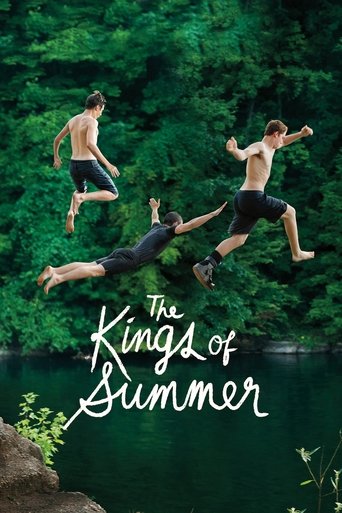
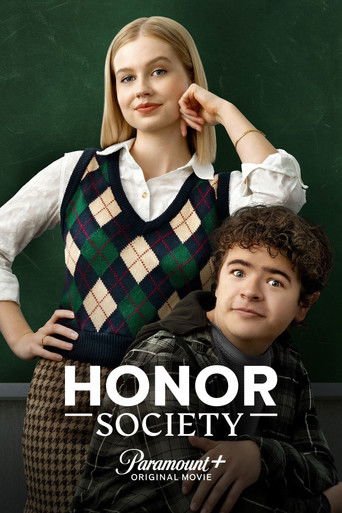
For teenagers, The Kings of Summer follows three friends who build a house in the woods and move into it; Honor Society an ambitious pupil with a plan to win a place at a famous university; Empire Waist, the highest scored film here at 7.7, a girl who designs clothes for every shape; and Class Rank two students who decide to run for the school board. He's All That, Zoey 102 and Afterlife of the Party are light entertainments. Rosaline retells Romeo and Juliet from the point of view of the girl Romeo loved first, and Carrie Pilby is about a prodigy of nineteen learning to enjoy other people.
Later life
Thirty-five films are about the later years, and the later life guide presents them. Several pair an old person with a young one, to the benefit of both. In The Last Word, Shirley MacLaine plays a retired businesswoman who hires a young journalist to write her obituary in advance and, disliking the first draft, sets about improving her life. In The Magic of Belle Isle, Morgan Freeman is a novelist who has stopped writing until the girls next door ask him for a story. My First Mister is a friendship between a withdrawn seventeen-year-old and the manager of a menswear shop, and Snow Cake, with Alan Rickman and Sigourney Weaver, between a reserved Englishman and an autistic woman in a snowbound Ontario town.
The Friend, from 2025, gives Naomi Watts a writer in a small New York flat who inherits a very large dog. Ghostlight is about a construction worker who drifts into an amateur production of Shakespeare and finds that it helps. The Storied Life of A.J. Fikry follows a bookseller on a small island whose life changes when a child is left in his shop. These are films about how people look after one another, and they are among the most rewarding in the catalogue.
Far from home
Forty-five films were made or set outside Britain and the United States, and the far from home guide maps them. Australia contributes The Sapphires and Long Story Short; New Zealand the Waititi films and Eagle vs Shark, a deadpan romance between two awkward people. Canada offers The Trotsky, a comedy about a Montreal schoolboy convinced that he is the reincarnation of a famous revolutionary and determined to organise his classmates, and My Winnipeg, Guy Maddin's dreamlike film about his home city. Tanna was filmed on a Pacific island with a cast drawn from one village. The Braid links three women in India, Italy and Canada, and Limbo is a wry, moving film about a young Syrian musician waiting on a remote Scottish island.
Comedy
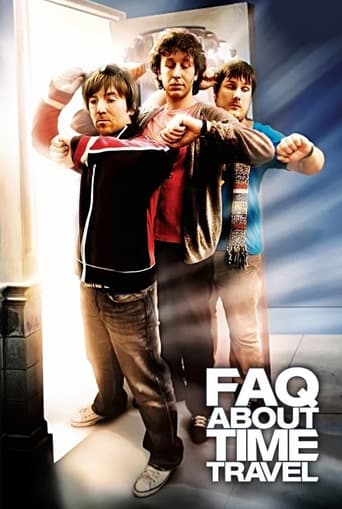
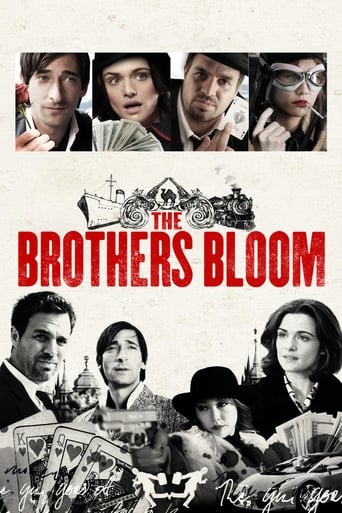
A hundred and thirty-four films are comedies, and the comedy guide picks through them. Beyond those already described, look for Problemista, in which a toy designer from El Salvador becomes assistant to an impossible art-world figure played by Tilda Swinton; The Brothers Bloom, an elegant caper about two brothers and an eccentric heiress; Hollywood Ending, Woody Allen's joke about a film director who goes temporarily blind and decides to shoot his picture anyway; and Frequently Asked Questions About Time Travel, in which three friends in a London pub discover a leak in time near the lavatories. The Trip sends two comedians around the restaurants of northern England to bicker and do impressions of Michael Caine.
Shorts are a pleasure of their own. Castello Cavalcanti, by Wes Anderson, runs eight minutes and takes place in an Italian village in 1955. I'm Here, by Spike Jonze, is a love story between two robots in Los Angeles. Validation is about a car park attendant who pays compliments along with the tickets, and The Letter Room, with Oscar Isaac, about a kind-hearted officer who reads the post.
Drama
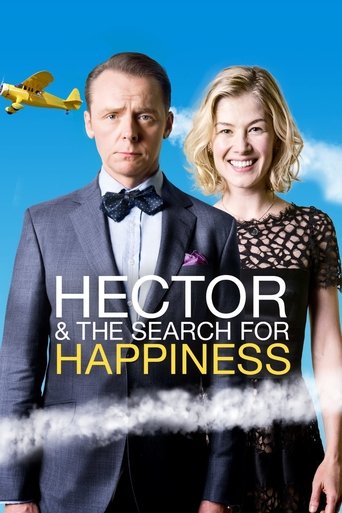
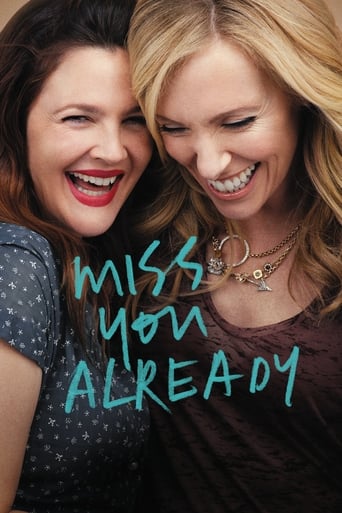
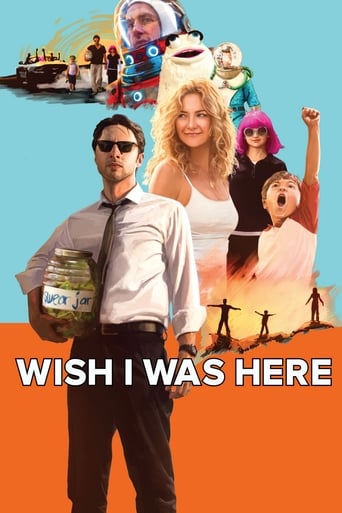
A hundred and thirteen films are dramas, and the drama guide offers a route. They are dramas of the humane kind, in which the worst that happens is usually a misunderstanding or an illness and the best is a friendship. Miss You Already is about two lifelong friends, played by Toni Collette and Drew Barrymore, and does deal with serious illness; so, more lightly, does The Healer. Wish I Was Here and People, Places, Things are about fathers at a crossroads. Hector and the Search for Happiness sends a London psychiatrist round the world with a notebook. The Road Within puts three young patients in a stolen car, and Cha Cha Real Smooth is about a young man just out of college who finds work enlivening parties and befriends a mother and her daughter.
A few stand apart for their craft. The Merchant of Venice, from 2004, is a handsome film of Shakespeare's play with Al Pacino and Jeremy Irons. Coco Chanel gives Shirley MacLaine the designer in later life, looking back. This Beautiful Fantastic is a fairy tale about a shy young woman, a neglected London garden and the cross old man next door. The House of Tomorrow is set inside a geodesic dome, and Endless and Forever First Love are romances for the young.
Journeys and true stories
Twenty-eight films are journeys, and the journeys guide lists them; thirteen are true stories, gathered in the true stories guide. The two overlap more than might be expected, since a real life often makes its point by going somewhere. The road trip, the move to a new town and the holiday that goes wrong are all ways of taking characters out of their habits, and these films use them well. The true stories, for their part, share a modesty of scale: a bank, a painting, a golf tournament, a gymnastics team. Their heroes win small victories, and the films are content with that.
At work
Forty-nine films are set in a place of work, and food is the commonest trade. Restaurants and kitchens appear in Nonnas, Return to Me, The Ramen Girl, Waitress and Abe. Shops matter too: the bookshop of The Storied Life of A.J. Fikry, the cleaning van of Sunshine Cleaning, the comic-book counter of American Splendor. Teachers lead Happy-Go-Lucky, Liberal Arts and Language Lessons, and the law office of Win Win is as carefully drawn as its wrestling mat. It is one of the quiet strengths of these films that their characters have jobs, and that the jobs are shown.
Choosing well
A few habits help with choosing. For a mixed household, begin with the British true stories, the sport films and the family comedies. For teenagers, the school comedies and the music films are sure ground. For the adults, the American independents and the films of later life reward an attentive evening. A few films deal with illness or bereavement, Fatherhood, Miss You Already and Ordinary Love among them, and they do so with warmth. Most films run between ninety minutes and two hours, the shorts between eight minutes and half an hour, and each film page gives the length. Top rated holds the thirty-eight films with a viewer score of 7.0 or more.
Search, lists and My List
The search field in the top bar answers as you type and sets aside filler words such as watch, online and free. The finding titles page describes the search, the lists and the A to Z, which sets out all 156 films in alphabetical order.
Twenty lists divide the catalogue. Three follow kind: comedy, drama and romance. Ten follow theme: British and Irish, far from home, sport, music and song, growing up, later life, family, journeys, true stories and at work. Five follow the years, Top rated holds the highest scored films, and All titles holds everything. A film may sit in several lists at once, so The Phantom of the Open is found under comedy, British and Irish, sport and true stories alike.
My List is your saved row of films. Each film page carries an Add to My List button, and the amber My List button in the top bar opens the row as a grid of posters. It is kept by the browser on this device only and reappears each time you come back, and the list page can write it to a file to restore elsewhere. The My List page gives the steps, and the how to watch page explains the path from a title to a service.
A film page on CineNest is laid out for a quick decision: the still and poster first, then the year, running time and genres, the story in a paragraph, the director and cast, and finally the country selector with its Watch now button. Fifteen countries are offered, and the choice is remembered for the next film.
Four evenings of feel-good films
A simple plan shows the range. On the first evening, Britain: The Duke, or Scrapper with older children. On the second, music: Once or Wild Rose. On the third, sport: Hustle or Champions. On the fourth, family: Fatherhood, with Nonnas and a plate of pasta for those who want a second film. After that the lists under All items will carry you on. The romantic comedies are there for the evenings in between.
Questions and answers
Questions
What is CineNest?
CineNest is a guide to 156 feel-good English-language films from 2000 to 2026, each with its story, cast and a Watch now button to the official services that carry it.
Which film should I watch first?
Start with The Station Agent, Once or The Duke. They show the gentle American comedy, the musical romance and the British true story at their best.
Is the catalogue suitable for families?
Yes. Every summary was read by hand, and crime films, horror, rowdy comedies and stand-up specials were left out. A few films touch on illness or loss.
Are there British films?
Yes. Thirty-nine are British or Irish, among them Quartet, Bank of Dave, Stan and Ollie and The Phantom of the Open.
Are there short films?
Yes. Castello Cavalcanti, Validation, Two Cars, One Night, The Letter Room and An Irish Goodbye all run under half an hour.
Which film has the highest score?
Empire Waist and Hustle, both at 7.7, followed by Fatherhood, About Fate and The Royal Tenenbaums.
How does My List work?
Press Add to My List on any film page. The list is kept by the browser on this device, and the list page can write it to a file.
Does CineNest host films or downloads?
CineNest is a guide only. Every Watch now button opens JustWatch, which lists the official streaming, rental and purchase services for your country.